
Introduction
The stock market is a realm of endless opportunities and potential pitfalls and can be intimidating for beginners. But do not worry. In this article, How to make money in the stock market we will guide you with the knowledge and strategies to navigate the complexities of the market and make informed decisions that pave the way for financial success
Essential Principles for How to Make Money in the Stock Market
Building wealth through the stock market requires a solid foundation, a clear mindset, and essential principles. Here are some of the most important aspects.
1. Trading Appropriately: The Power of Buy-and-Hold

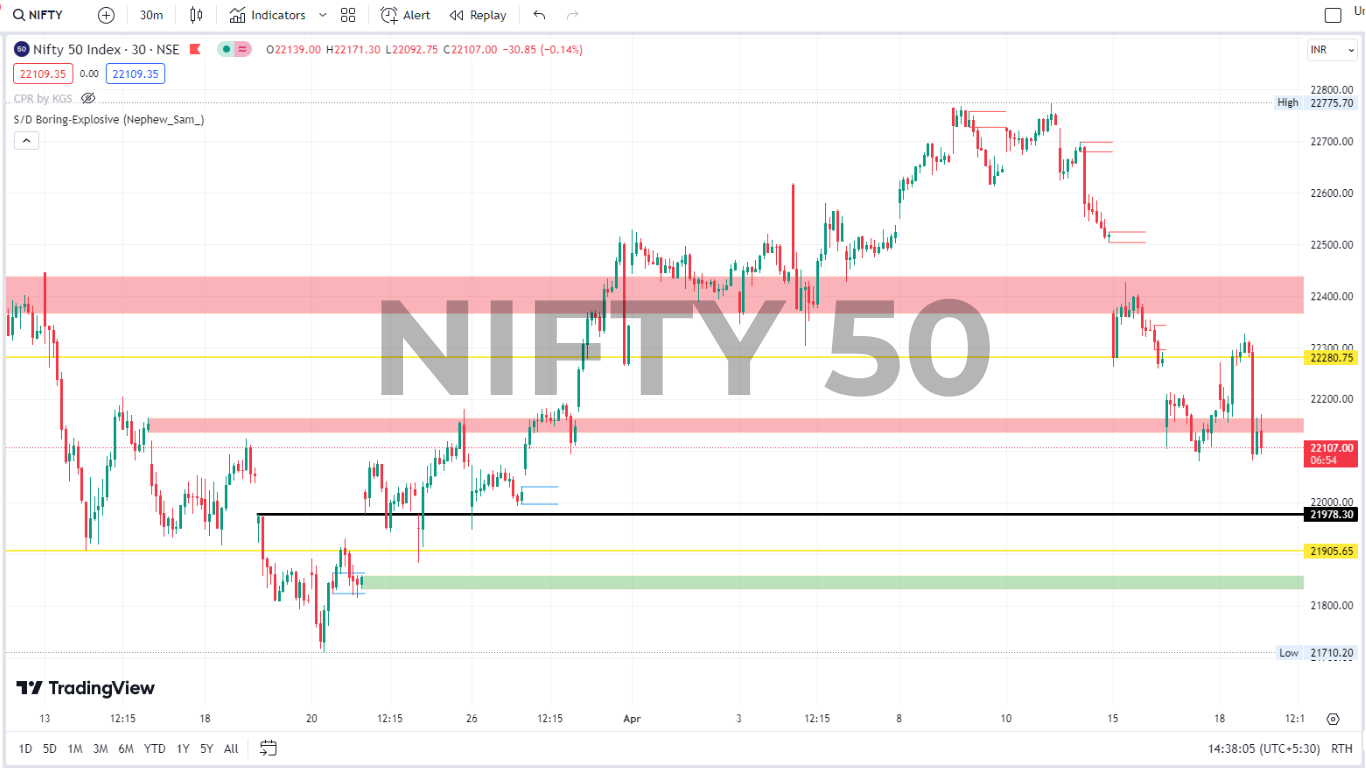
Always focusing on a long-term goal. The buy-and-hold strategy is advice for purchasing stocks with solid growth potential and holding onto them for a long period. This approach capitalizes on the historical trend of the stock market to generate significant annual returns. Frequent trading, on the other hand, can be unfriendly and hurtful. The act of constantly buying and selling incurs fees and carries the risk of missing out on gains while the market is on an upswing. Buying a shock in an uptrend while in a swing low and selling it when the trend reverses is considered to be one of the best strategies by many professional traders.
2. Reinvesting Your Dividends for Growth

Shareholders receive dividends as a portion of a company’s profits when they hold a stock for some time. They play a significant role in achieving long-term growth. Reinvesting these dividends allows you to benefit from compounding, where your earnings generate even more earnings over time. Dividend reinvestment plans (DRIPs) are a convenient way to automate this process and accelerate your wealth accumulation.
3. Timing the Stock Market: A Risky Goal

Predicting the market’s ups and downs is very difficult, even for experienced investors. Focusing on short-term fluctuations can lead to impulsive decisions and missed opportunities. Instead, prioritize a long-term investment strategy that prioritizes steady growth over fleeting gains.
4. Diversification: Spreading Your Risk
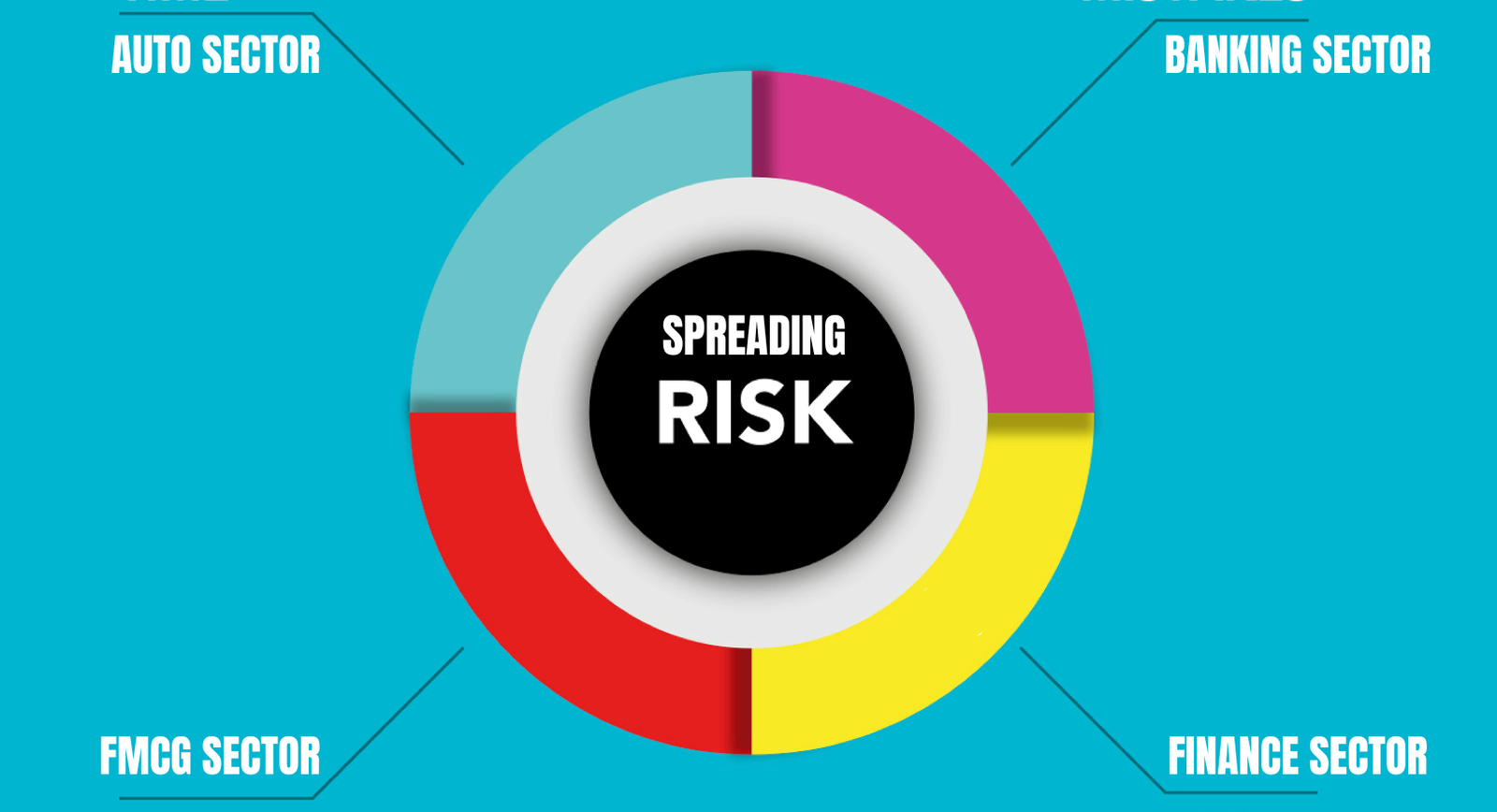
Don’t put all your eggs in one basket. Diversification is a basic mantra for lightning risk. By investing in stocks across various sectors and asset classes like Real Estate, Finance, Auto Sector, Banking Sectors, etc., you lessen the impact of a downturn in any single company or industry.
5. Risk Management Techniques and Strategies
There are several tools at your disposal to manage risk:
- Stop-loss orders automatically sell your holdings if the price falls below a predetermined level, limiting potential losses.
- Regular portfolio review allows you to monitor your investment performance and make adjustments as needed.
- Aligning with risk tolerance is crucial. Your investment choices should correspond to your comfort level with potential losses in the long run.
6. Avoiding Herd-Mentality: A Path to Wise Investing
Legendary investor Warren Buffet famously advised against following the crowd. Resist the urge to blindly invest in companies simply because others are doing so. Conduct thorough research and make independent, well-informed decisions tailored to your financial goals if you want to be successful in making money in the stock market.
7. Diligence in Investing: Navigating Market Volatility

The stock market experiences periods of volatility, with prices fluctuating significantly. A systematic approach that emphasizes research, patience, and a long-term perspective can help you master this fluctuating market. By holding onto equities for the long term, you allow them to ride out temporary dips and recover over time.
8. Setting Attainable Objectives: Realistic Expectations
While aiming for high returns is understandable, setting realistic goals is essential. The stock market, though rewarding, is not a get-rich-quick scheme. Focus on building a balanced and sustainable investment approach that aligns with your long-term financial aspirations.
What restrains Stock Market Success?
Several common false steps can hinder your journey to financial gain through the stock market. Let’s explore some of these roadblocks.
- Waiting for Stock Prices to Soar: Don’t chase unrealistic price hikes. Focus on companies with solid fundamentals and growth potential.
- Waiting for Stock Prices to Drop: Trying to time the market to buy at the absolute lowest point is a risky attempt. Invest consistently based on your research and goals.
- Selling Frequently: Frequent buying and selling eat away returns due to transaction fees and missed opportunities for long-term growth.
- Neglecting Proper Research: Before investing, conduct thorough research on companies and the overall market to make informed decisions.
- Letting Emotions Drive Decisions: Fear and excitement can cloud judgment. Develop a rational investment strategy and stick to it.
- Lack of Diversification: A portfolio concentrated in a few stocks or sectors is highly vulnerable to market downturns. Diversification is key to reducing risk.
Conclusion: Charting Your Course to Stock Market Success
Making money in the stock market is a long-term strategy rather than a short-term one. By prioritizing research, maintaining discipline, and adopting a long-term perspective, you can navigate the complexities of the market and make informed investment decisions that propel you toward achieving your financial goals.
Frequently Asked Questions
- Do I need a financial advisor to make money in the stock market?
While a financial advisor can provide valuable guidance and personalized recommendations, it’s not mandatory for everyone. Many individuals successfully navigate the stock market independently by educating themselves, using online resources, and making informed decisions. Carefully assess your comfort level and financial goals before deciding if seeking professional advice is right for you.
- How often should I review and adjust my investment portfolio?
Regular review and adjustments are crucial for a healthy portfolio. A general guideline is to conduct a thorough review at least once a year. However, significant life events (marriage, job change), market shifts, or changes in your financial goals may necessitate more frequent assessments. Remember, adjustments should align with your risk tolerance and long-term objectives.
- What are the key considerations before investing?
Before diving into the stock market, take some time for thoughtful planning:
- It’s important to identify your financial goals, such as saving for retirement, a down payment on a house, or a child’s education. This will guide your investment decisions.
- Assess your available capital: How much money can you realistically invest without compromising your financial stability?
- Find out how comfortable you are with potential losses by determining your risk tolerance. This text serves as a reminder that your investment decisions may be impacted by this information.
- Educate yourself: Familiarize yourself with the basics of the stock market, different asset classes, and various investment strategies.
- How can beginners start investing in the stock market?
Here’s a roadmap for beginners:
Setting clear financial goals is crucial before investing. You should determine what you hope to achieve through your investments. This will assist you in making well-informed decisions and maintaining your focus on achieving your goals.
- Choose a reliable online broker: Research different brokerage firms to find one that aligns with your needs and fees.
- To purchase and sell stocks, you need to have a brokerage account. It acts as a gateway for you to enter the world of investing in stocks.
- Start small: Begin with a manageable amount you can afford to invest.
- Educate yourself: Continuously learn about the stock market through books, articles, and online resources. Personalized guidance can be obtained from a financial advisor.
- Make sure you invest in different asset classes and sectors so that your risk is minimized.
- Why is diversification important?
Diversification is the golden rule of risk management in investing. By spreading your investments across various assets, sectors, and geographic regions, you lessen the impact of a downturn in any single company or industry. If one of your holdings performs poorly, the gains from others can help offset the losses. Diversification promotes a more balanced and stable portfolio, increasing the chances of achieving your long-term financial goals.