
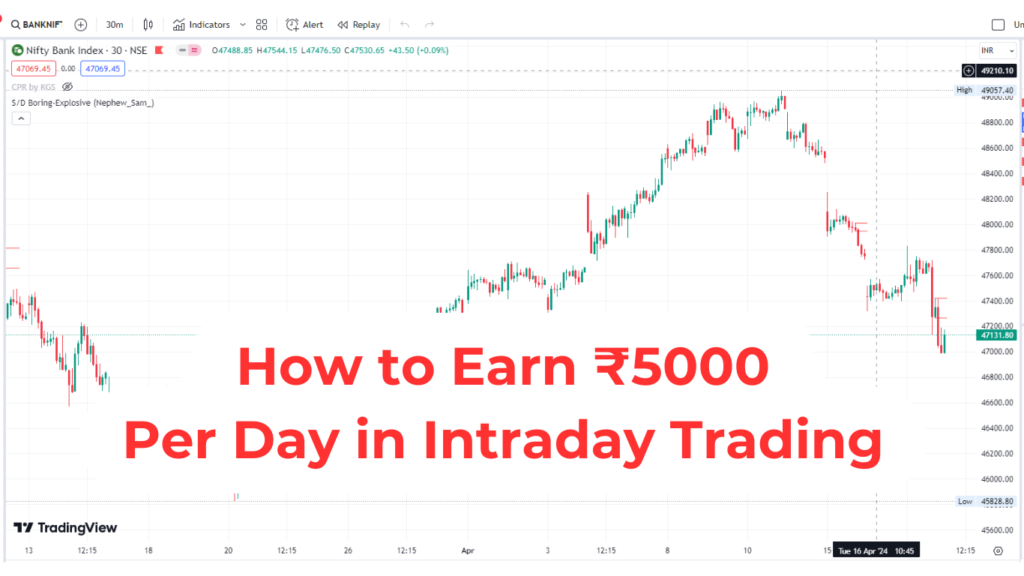
The lure of the stock market is undeniable. The dream of turning a small investment into a significant profit is what draws many towards intraday trading. This fast-paced style of trading involves buying and selling stocks within a single trading day, capitalizing on short-term price movements. While the potential rewards of intraday trading, like How to Earn ₹5000 per day in Intraday Trading, can be significant, it’s crucial to understand the inherent risks involved. This guide will give you the knowledge and strategies needed for successful intraday trading.
Understanding Intraday Trading
Intraday trading, also known as day trading, revolves around exploiting short-term price fluctuations within a single trading day. Unlike long-term investors who hold stocks for months or years, intraday traders focus on capitalizing on minor price movements throughout the day. This strategy requires constant monitoring of the market, quick decision-making, and a deep understanding of technical analysis.
Here are some key characteristics of intraday trading:
- Short-term focus: Positions are opened and closed within the same trading day.
- High volume: Intraday traders typically execute numerous trades throughout the day, often dealing in high volumes of shares.
- Technical analysis: Technical indicators and chart patterns play a crucial role in identifying entry and exit points for trades.
Key Indicators for Intraday Trading
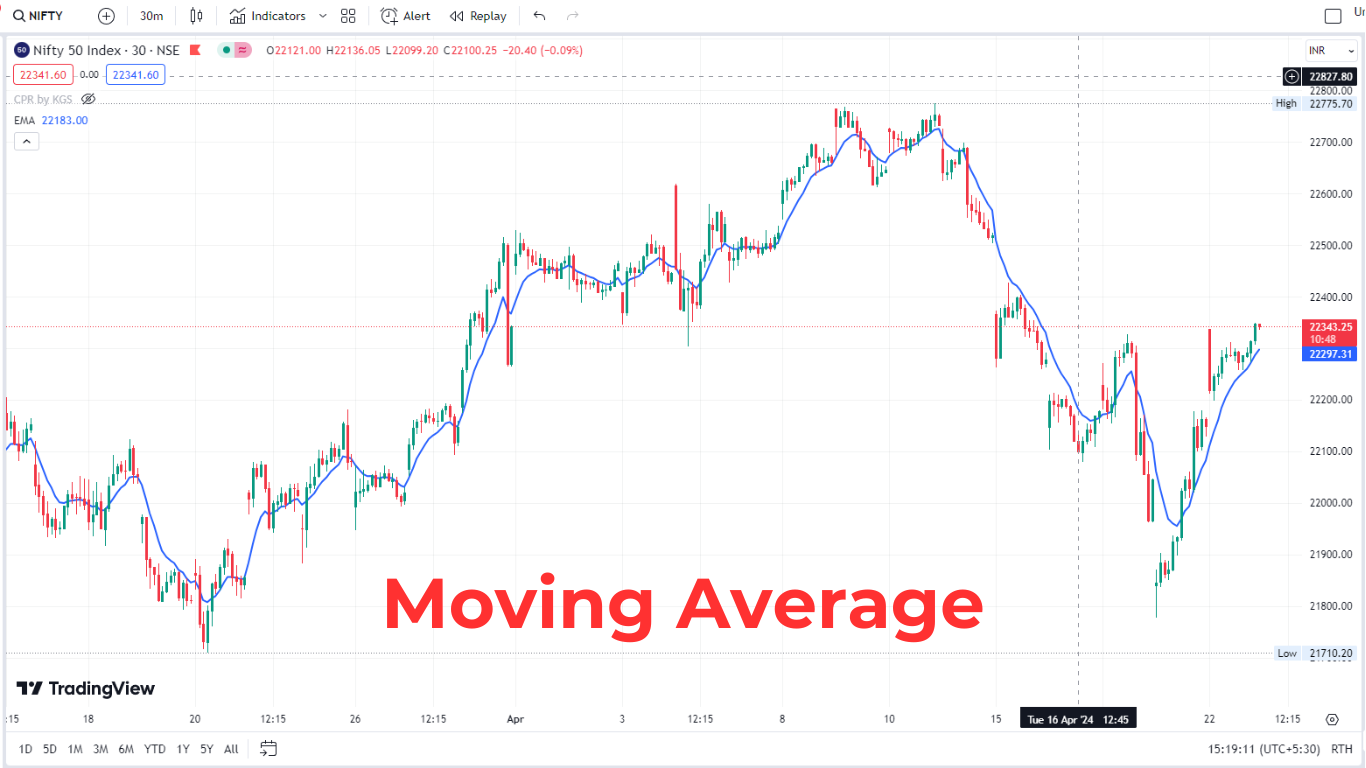
Technical analysis is the backbone of successful intraday trading. By analyzing various technical indicators and chart patterns, traders can make informed decisions about entering and exiting trades. Here are some key indicators used in intraday trading:
- Moving averages: Moving averages smooth out price fluctuations and help identify trends.
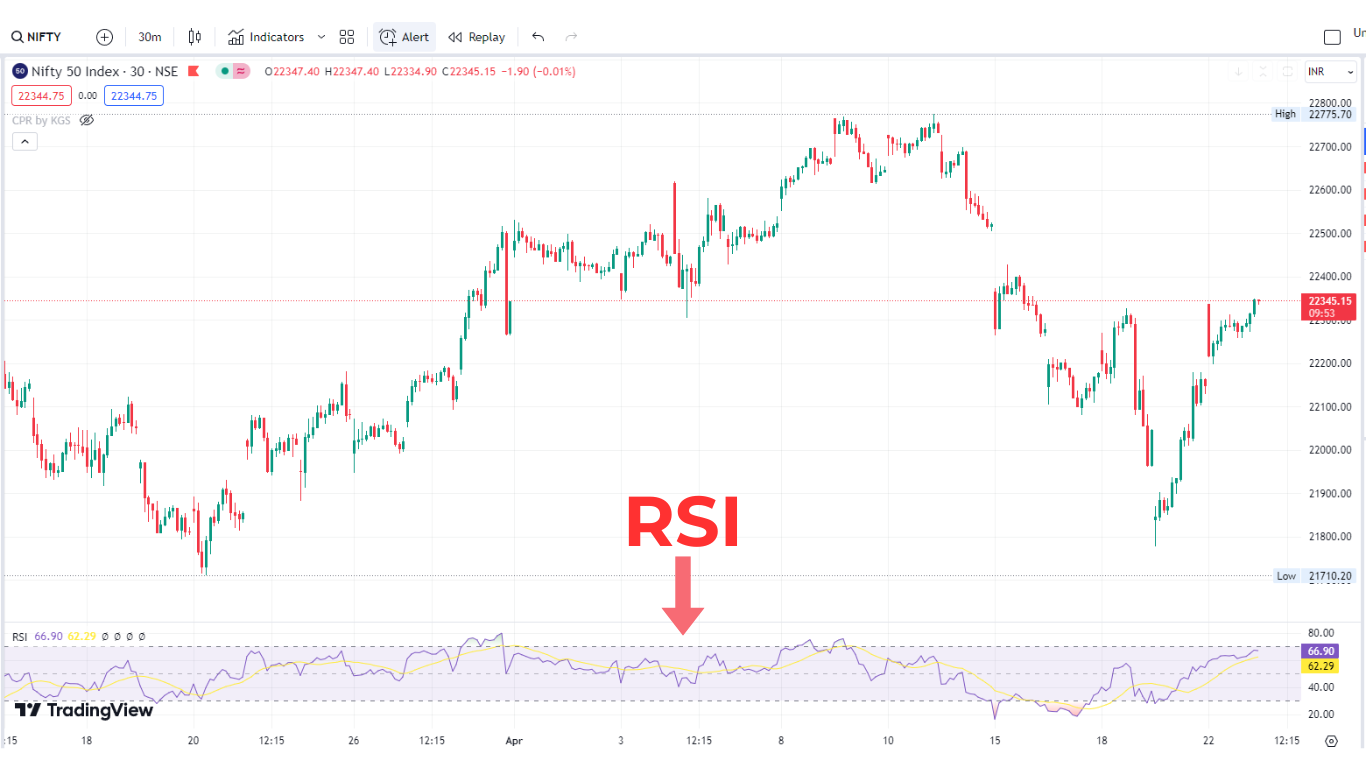
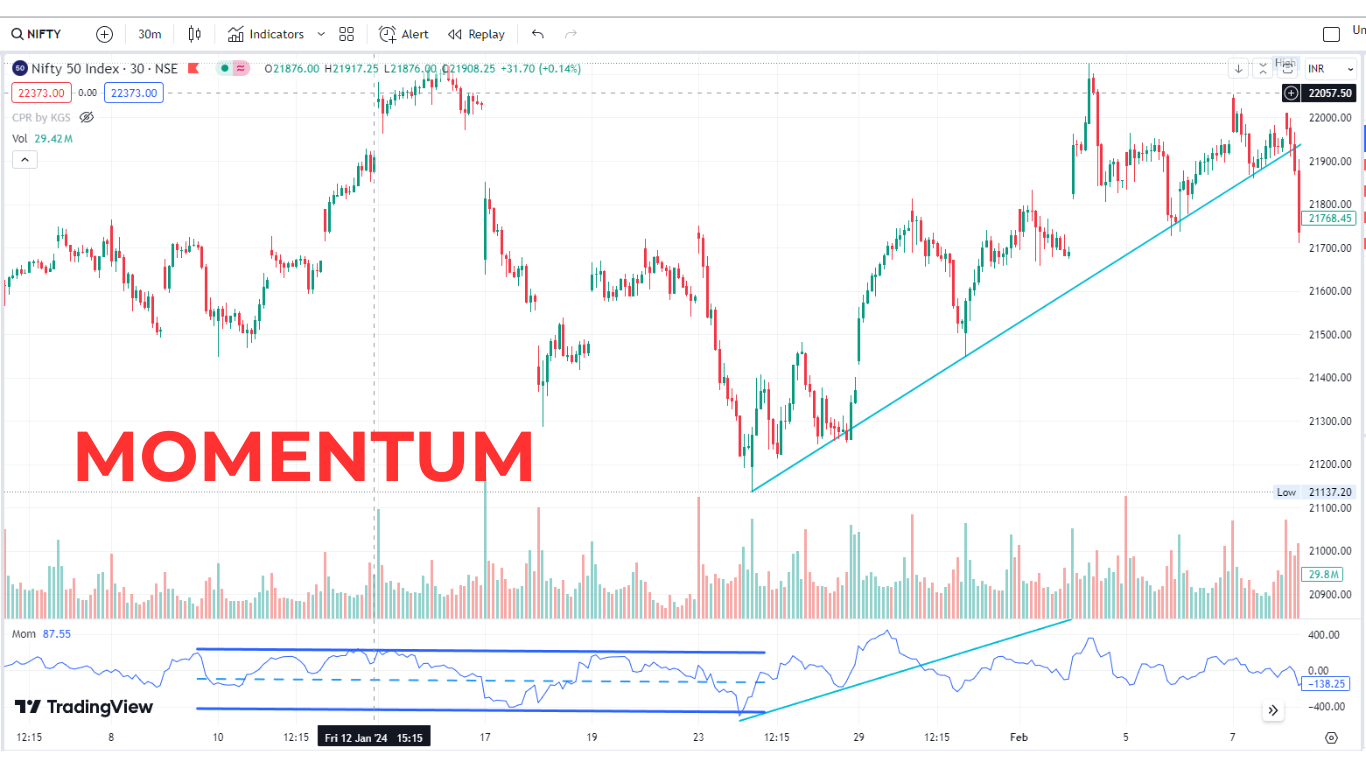
- Relative Strength Index (RSI): The RSI measures the momentum of a stock’s price movement and indicates potential overbought or oversold conditions.
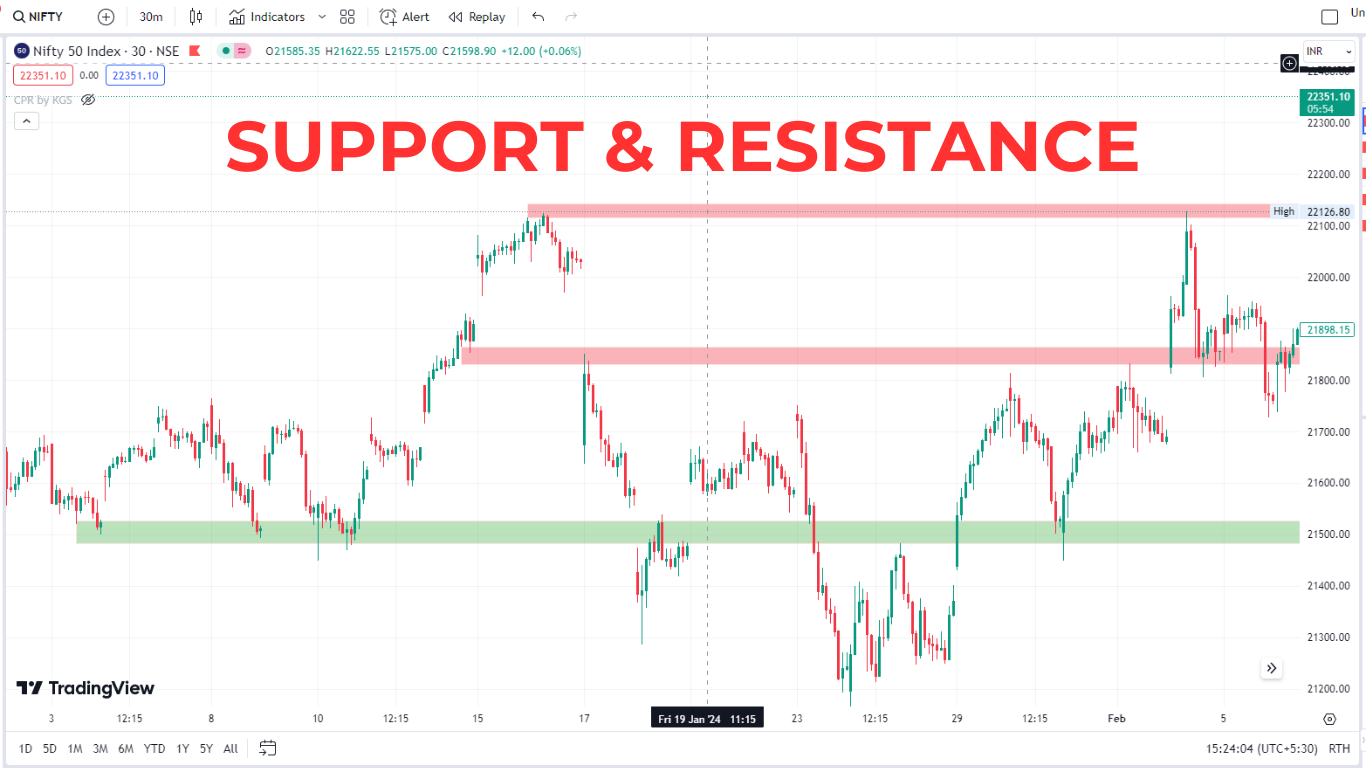
- Support and resistance levels: These levels represent price zones where the stock may find buying or selling pressure, respectively.
- Bollinger Bands: Bollinger Bands depict a range of volatility around a moving average. Narrowing bands suggest a potential breakout while widening bands indicate increased volatility.
Open your Free Demat Account
- Open your Demat Account with discount brokers who offer leverage to intraday traders. This strategy allows traders to take higher exposure while paying only a small sum for the position. Intraday trading involves the use of technical analysis and indicators.
Do’s and Don’ts of Intraday Trading
The Do’s
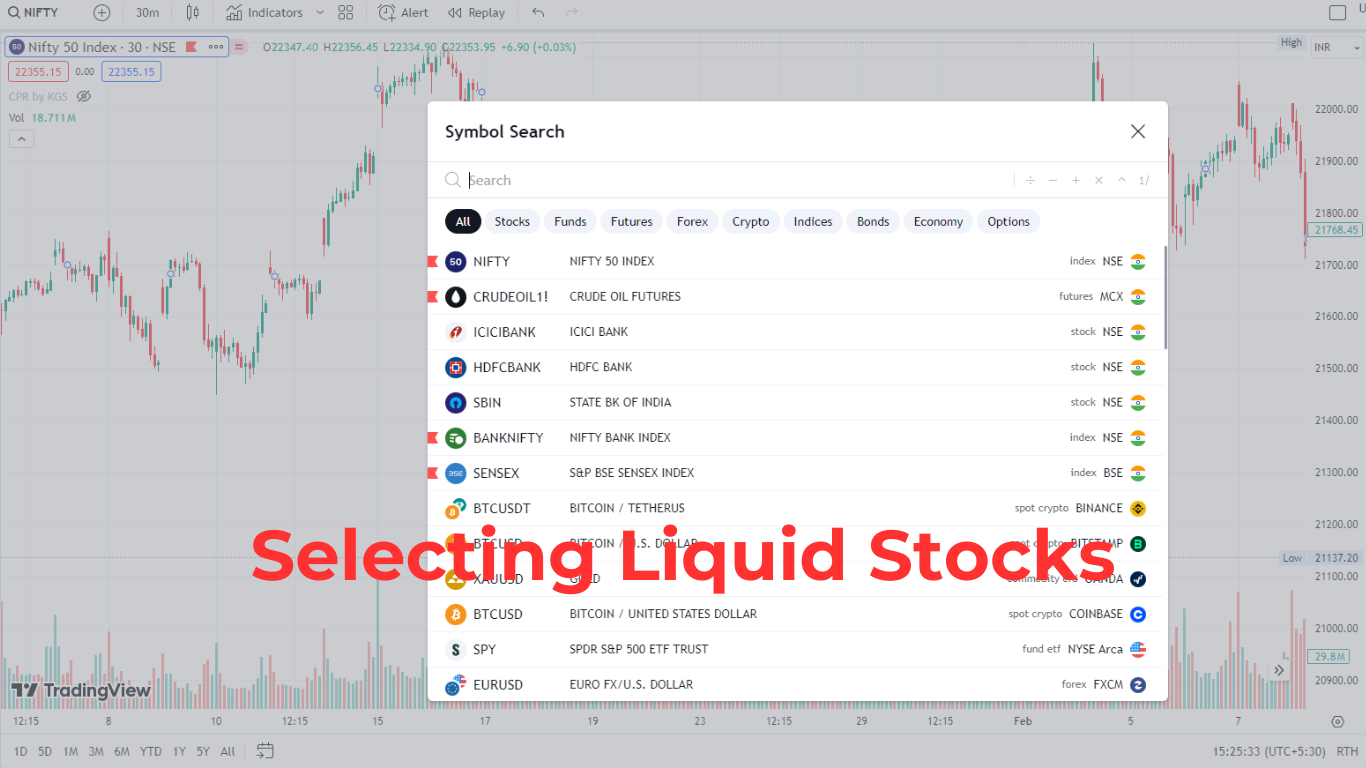
- Selecting Liquid Stocks: Focus on stocks with high trading volume. This ensures easy entry and exit from positions without significant price impact.
- Going with a Working Strategy: Develop a well-defined trading strategy based on technical analysis and risk management principles. To evaluate the effectiveness of your strategy, it’s recommended to test it on historical data. This process is known as backtesting.
- Knowing Entry and Exit Points: Identify clear entry and exit points for your trades based on technical indicators and chart patterns. Stick to your plan to avoid emotional decision-making.
- Always Putting a Stop Loss: A stop-loss order automatically exits your position when the price reaches a predetermined level, minimizing potential losses.
- Booking Profits: Don’t get greedy! Secure profits when your strategy indicates a favourable outcome.
The Don’ts
- Going Against the Trend: Intraday trading against the overall market trend is a recipe for disaster. Trade in line with the prevailing market direction.
- Trading on Recommendations: Don’t blindly follow stock tips or recommendations. Before making any trades, you must conduct your research and analysis. By keeping this in mind, you can ensure that you are well-informed when making decisions and minimize the likelihood of incurring losses.
- Overtrading: Excessive trading can lead to high transaction costs and erode your profits. It is important to adhere to your trading plan and steer clear of making impulsive decisions that could potentially harm your investments.
- Ignoring Risk Management: Effective risk management is paramount in intraday trading. Always define your risk tolerance and never invest more than you can afford to lose.
- Trading with Emotions: Fear and greed are your worst enemies in the market. Maintain a calm and composed demeanor while making trading decisions.
Developing Your Intraday Trading Skills
Practice with a Demo Account: Before risking real capital, open a demo account and practice your trading strategies in a simulated environment. This allows you to gain experience and refine your skills without incurring financial losses.
Paper Trading:
Paper trading involves keeping a paper record of your trades, and tracking your hypothetical profits and losses. This helps you test your trading strategies and build confidence before deploying real money.
Stay Updated with Market News:
Fundamental factors can significantly impact stock prices, even in intraday trading. Stay informed about relevant economic news events, company announcements, and industry trends.
Continuous Learning:
The financial markets are constantly evolving, requiring ongoing learning, adaptation, and dedication to continuous exploration of new indicators and strategies.
Conclusion
How to Earn ₹5000 Per Day in Intraday Trading is a question that requires a nuanced answer. While achieving this specific daily target is not guaranteed, consistent profits are possible with a combination of knowledge, discipline, and experience. Remember, intraday trading.
Commonly Asked Questions (FAQs)
How to implement a Stop Loss Strategy in Intraday Trading?
Implementing a stop-loss strategy involves setting predetermined levels at which you will sell a stock to limit losses. This is a crucial risk management tool in intraday trading.
Why choose a few large-cap stocks for liquidity in Intraday Trading?
Large-cap stocks often have higher liquidity, making it easier to enter and exit trades. This liquidity reduces the impact of slippage and ensures smoother transactions.
What is the significance of planning Entry and Exit Strategy in Intraday Trading?
Planning entry and exit points is crucial for maximizing profits and minimizing losses. It helps traders make informed decisions based on market trends and technical indicators.
Why is proper research essential before investing in Intraday Trading?
Proper research helps traders understand the market dynamics, identify potential trading opportunities, and make well-informed decisions, reducing the risk of losses.
How to avoid emotional decision-making in Intraday Trading?
Avoiding emotional decision-making involves sticking to a well-defined trading plan, implementing stop-loss orders, and maintaining discipline in the face of market fluctuations.
Why should one avoid trading in the first and last trading hours of the day?
The first and last trading hours are often characterized by heightened volatility and uncertainty. Avoiding these hours helps traders mitigate risks associated with sudden price fluctuations.
Why is confidence important in facing risks in Intraday Trading?
Confidence is essential in intraday trading as it helps traders stick to their strategies, make decisive decisions, and manage risks effectively. Confidence comes from thorough knowledge and experience in the market.