
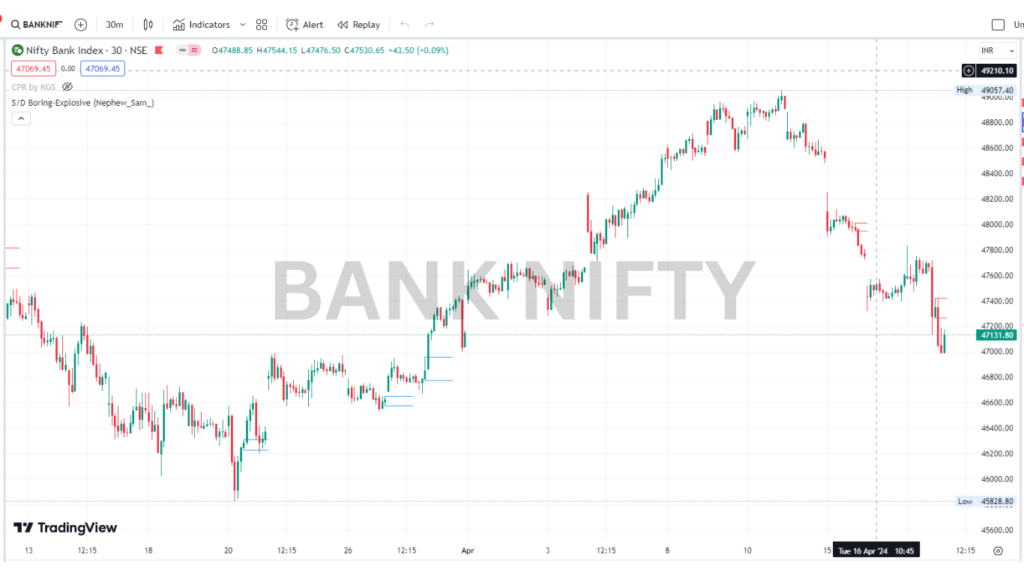
Welcome to “What is Banknifty also known as Nifty Bank. One of the major indexes in the Indian Stock Market.
Introduction
Welcome to the world of Indian stock markets, where opportunities abound and fortunes are made. If you’re someone intrigued by the dynamics of finance, seeking avenues for investment, or simply exploring the realm of trading, understanding key market indices is paramount. Among these indices, one that stands out, particularly for those eyeing the banking sector, is Bank Nifty, also known as Nifty Bank.
Bank Nifty isn’t just another index; it’s a reflection of the heartbeat of India’s banking industry. Launched on September 15, 2003, by the National Stock Exchange (NSE), Bank Nifty tracks the performance of the most influential banking stocks traded on the NSE. Whether you’re a seasoned investor or a novice trader, grasping the essence of Bank Nifty can be pivotal in navigating the complexities of the financial markets.
Key Point:
Composition
Diving into the core of Bank Nifty, let’s first dissect its composition. Unlike its broader counterpart, the Nifty 50, which encompasses companies from various sectors, Bank Nifty is a specialized index focusing solely on the banking sector. Within its basket, you’ll find the 12 largest and most liquid banking stocks listed on the NSE.
What makes these stocks significant is not just their size but also their liquidity. Liquidity, in market terms, refers to the ease with which a stock can be bought or sold without significantly impacting its price. The inclusion of highly liquid stocks ensures that Bank Nifty accurately reflects the pulse of the banking industry, allowing traders and investors to make informed decisions based on real-time market conditions.
Moreover, Bank Nifty encompasses both public and private sector banks, offering a comprehensive view of the sector’s performance. Whether it’s the behemoths like HDFC Bank and SBI or the dynamic players like Kotak Mahindra Bank and ICICI Bank, Bank Nifty brings together the titans shaping India’s financial landscape.
Benchmark
Moving forward, let’s delve into the pivotal role Bank Nifty plays as a benchmark within the Indian stock market ecosystem.
Imagine you’re embarking on a journey through the bustling streets of a new city. You wouldn’t start without a map, right? Similarly, in the world of finance, Bank Nifty serves as that map, guiding investors and traders through the labyrinth of the banking sector.
As a benchmark index, Bank Nifty offers a yardstick against which the performance of individual banking stocks or entire portfolios can be measured. It serves as a reference point, allowing market participants to gauge whether their investments are outperforming or underperforming relative to the banking industry as a whole.
Now, you might wonder, why focus solely on the banking sector? Well, banks are the lifeblood of any economy. Their performance is intricately linked to broader economic trends, regulatory policies, and global market dynamics. By honing in on the banking sector, Bank Nifty provides insights not just into the financial health of individual banks but also into the overall economic landscape.
For instance, during times of economic expansion, banks typically experience increased lending activity, leading to higher profits. Conversely, during economic downturns, banks may grapple with rising non-performing assets and shrinking margins. By tracking Bank Nifty’s movements, investors can discern the prevailing economic sentiment and adjust their investment strategies accordingly.
Moreover, Bank Nifty serves as a barometer for fund managers entrusted with overseeing investment portfolios. By benchmarking their performance against Bank Nifty, fund managers can assess their ability to generate returns relative to the broader market. This benchmarking process fosters accountability and transparency within the investment management industry, ultimately benefiting investors.
In essence, Bank Nifty isn’t just a collection of numbers flashing on a screen; it’s a compass guiding investors through the ever-changing landscape of the banking sector. By understanding its role as a benchmark, you’re equipped with a powerful tool to navigate the complexities of the financial markets, enabling you to make informed decisions and chart your path toward financial prosperity.
Trading and Derivatives
Now, let’s explore another facet of Bank Nifty that sets it apart from traditional indices: its role in trading and derivatives.
Picture this: you’re a trader sitting in front of your computer screen, analyzing market trends and searching for opportunities to capitalize on price movements. Enter Bank Nifty futures and options contracts, offering you a gateway to the world of derivatives trading.
Derivatives, in simple terms, are financial contracts whose value is derived from the performance of an underlying asset—in this case, Bank Nifty. These contracts allow traders to speculate on the future price movements of banking stocks without actually owning them.
Take futures contracts, for example. By entering into a futures contract on Bank Nifty, traders commit to buying or selling the index at a predetermined price on a future date. This opens up avenues for both speculation and hedging. Traders can profit from anticipating the direction of Bank Nifty’s movement or mitigate the risks associated with their existing positions in banking stocks.
On the other hand, options contracts offer traders the right, but not the obligation, to buy or sell Bank Nifty at a specified price (known as the strike price) within a predetermined timeframe. This flexibility empowers traders to craft sophisticated trading strategies tailored to their market outlook and risk appetite.
Now, you might wonder, why focus specifically on Bank Nifty for derivatives trading? The answer lies in liquidity and volatility. Bank Nifty, comprising the most liquid banking stocks, attracts substantial trading volumes, ensuring tight bid-ask spreads and minimal slippage for traders. Moreover, its inherent volatility presents ample opportunities for profit generation, as price movements can be swift and pronounced.
For traders seeking to enhance their portfolio returns or hedge against market risks, Bank Nifty derivatives serve as indispensable tools. Whether you’re a seasoned trader or a novice exploring the derivatives market, understanding how Bank Nifty futures and options operate can unlock a world of possibilities, offering you the potential to amplify your gains and protect your capital in an ever-evolving market landscape.
Volatility
Let’s now delve into a crucial aspect of Bank Nifty: its volatility and the implications it carries for traders and investors alike.
Volatility, in financial markets, refers to the degree of variation in the price of an asset over time. Bank Nifty, being a sector-specific index, tends to exhibit higher volatility compared to broader indices like the Nifty 50. But what does this mean for traders and investors?
Well, imagine riding a rollercoaster. The twists and turns, the sudden drops and the exhilarating climbs—all contribute to the thrill of the ride. Similarly, in the world of finance, volatility adds an element of excitement, but it also entails higher risk.
The concentrated exposure of Bank Nifty to the banking sector amplifies its sensitivity to news, events, and market sentiments impacting the industry. A regulatory announcement, an economic indicator release, or even geopolitical tensions can trigger sharp movements in Bank Nifty’s price.
For traders, this volatility translates into opportunities for profit generation. Rapid price fluctuations create openings for short-term trades, allowing nimble traders to capitalize on market momentum. However, it’s essential to tread cautiously, as heightened volatility can also lead to increased risk exposure and potential losses if not managed effectively.
On the flip side, for investors with a long-term perspective, Bank Nifty’s volatility may pose challenges. Sudden downturns in the index could erode portfolio values, necessitating a disciplined approach to risk management and portfolio diversification.
Nevertheless, volatility in Bank Nifty isn’t just a double-edged sword; it’s also a reflection of the dynamism and resilience of the banking sector. The ability of banking stocks to weather storms and bounce back from setbacks underscores their fundamental strength and adaptability.
As we navigate the unpredictable waters of financial markets, understanding and embracing volatility in Bank Nifty can empower us to make informed decisions, seize opportunities, and navigate challenges effectively. It’s not just about braving the storm—it’s about harnessing its energy to propel us towards our financial goals with confidence and resilience.
How Bank Nifty Index is Used?
Now that we’ve explored the composition, benchmarking, trading, and volatility aspects of Bank Nifty, let’s delve into how this index is practically utilized by market participants.
-
Benchmarking:
Investors and fund managers frequently use Bank Nifty as a benchmark to evaluate the performance of their investment portfolios. By comparing the returns of their portfolios against the movement of Bank Nifty, they can assess whether their investments are outperforming or underperforming relative to the banking sector as a whole. This benchmarking process helps in identifying areas of strength and weakness within their portfolios, enabling them to make informed investment decisions to optimize returns.
-
Investment:
Bank Nifty serves as a basis for creating investment strategies focused on the banking sector. Investors may choose to invest directly in Bank Nifty through index funds or exchange-traded funds (ETFs) that replicate the index’s performance. Alternatively, they may use Bank Nifty as a guide for selecting individual banking stocks within their portfolios. By analyzing Bank Nifty’s trends and movements, investors can identify opportunities for potential growth or undervaluation within the banking sector, thus optimizing their investment allocations.
-
Options Trading:
Bank Nifty is actively involved in options trading, providing traders with a platform to capitalize on price movements within the banking sector. Options contracts allow traders to speculate on the future direction of Bank Nifty or hedge their existing positions in banking stocks. By utilizing options strategies such as call and put options, traders can profit from both upward and downward movements in Bank Nifty, thus enhancing their trading returns and managing their risk exposure effectively.
-
Risk Management:
Financial institutions and portfolio managers use Bank Nifty derivatives for risk management purposes. By taking positions in Bank Nifty futures or options contracts, they can hedge their exposure to the banking sector against adverse market movements. For example, a portfolio manager with significant holdings in banking stocks may use Bank Nifty futures to hedge against potential downside risk, thus safeguarding the portfolio’s value in volatile market conditions. Additionally, derivatives such as options contracts provide flexibility in tailoring risk management strategies to suit specific portfolio requirements, further enhancing portfolio resilience and stability.
-
Market Sentiment:
Bank Nifty reflects market sentiment towards the banking industry, with positive or negative movements in the index indicating investors’ confidence or concerns about the sector’s performance and outlook. By analyzing Bank Nifty’s trends and interpreting market sentiment, traders and investors can gain valuable insights into broader market dynamics and adjust their trading and investment strategies accordingly. This real-time assessment of market sentiment helps in identifying emerging trends, opportunities, and risks within the banking sector, thus enabling informed decision-making and proactive risk management.
The Weightage Stocks of Bank Nifty Indices
Understanding the weightage of individual stocks within Bank Nifty is essential for comprehending the index’s movements and implications for market participants. Let’s delve into the list of Bank Nifty stocks along with their respective weightages:
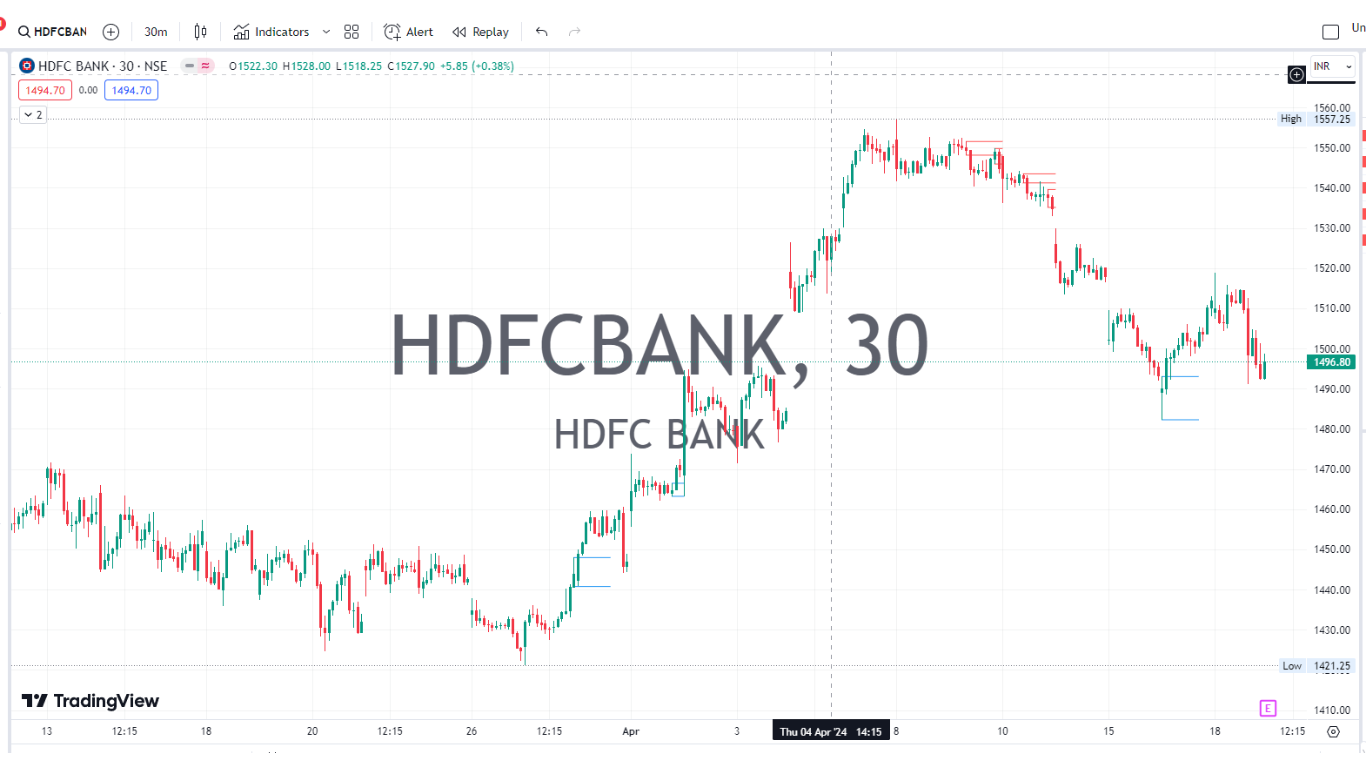
- HDFC Bank (27.04%): As the largest private sector bank in India, HDFC Bank holds a significant weightage within Bank Nifty. Known for its robust financial performance and extensive branch network, HDFC Bank plays a pivotal role in shaping the index’s movements.
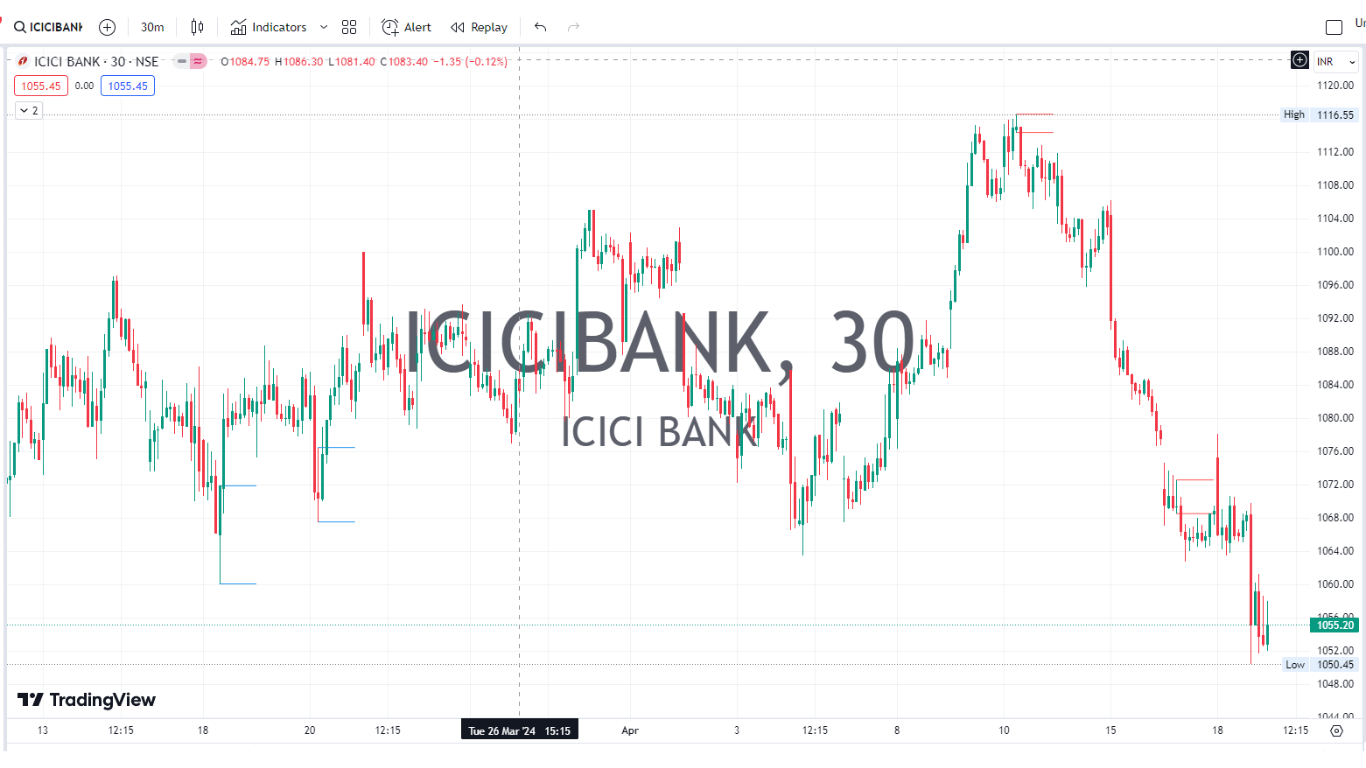
- ICICI Bank (23.03%): Another heavyweight in the banking sector, ICICI Bank commands a substantial weightage within Bank Nifty. With a diverse range of banking products and services catering to retail and corporate clients, ICICI Bank’s performance strongly influences the index’s trajectory.
- Kotak Bank (11.72%): Kotak Mahindra Bank, renowned for its innovative banking solutions and customer-centric approach, holds a considerable weightage within Bank Nifty. Its steady growth and strong financials contribute significantly to the index’s overall performance.
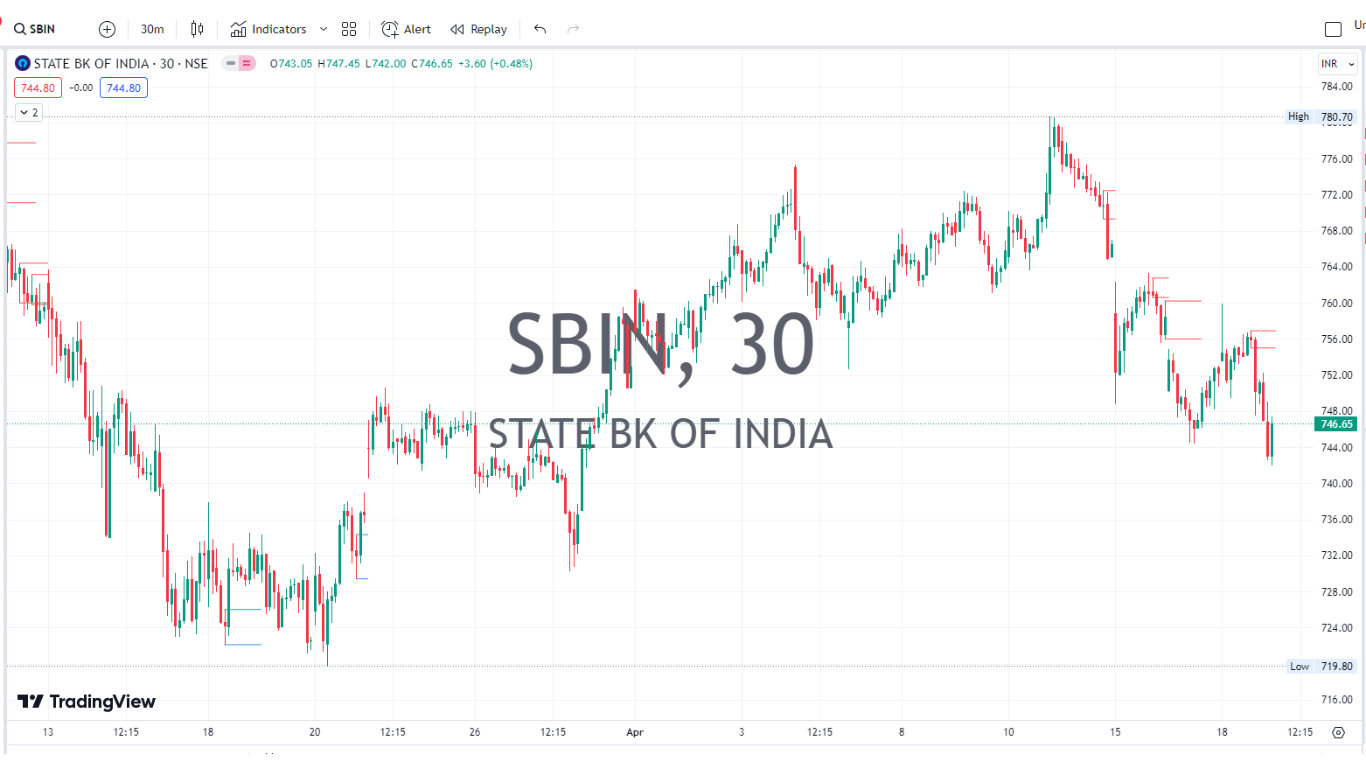
- SBI (11.27%): State Bank of India (SBI), the nation’s largest public sector bank, carries substantial weightage within Bank Nifty. As a key player in India’s banking landscape, SBI’s performance reflects broader trends within the public sector banking segment, impacting the index accordingly.
- Axis Bank (11.18%): Axis Bank, known for its focus on digital banking and customer experience, holds a significant weightage within Bank Nifty. Its performance serves as a barometer for assessing trends and developments within the private banking sector.
- IndusInd Bank (5.58%): IndusInd Bank, with its emphasis on retail and commercial banking, contributes to Bank Nifty’s composition with a notable weightage. Its performance reflects the dynamics of the mid-sized banking segment, influencing the index’s movements accordingly.
- AU Small Finance Bank (2.69%): AU Small Finance Bank, known for its specialization in microfinance and small business lending, adds diversity to Bank Nifty’s portfolio with its unique focus. Despite a relatively lower weightage, AU Small Finance Bank’s performance impacts the index’s overall trajectory.
- Bandhan Bank (1.98%): Bandhan Bank, with its roots in microfinance and rural banking, holds a modest weightage within Bank Nifty. As a niche player in the banking sector, Bandhan Bank’s performance contributes to the index’s broader narrative.
- Bank of Baroda (1.84%): Bank of Baroda, one of India’s largest public sector banks, carries a notable weightage within Bank Nifty. Its performance reflects trends and developments within the public sector banking space, influencing the index’s movements accordingly.
- Federal Bank (1.68%): Federal Bank, with its focus on retail and SME banking, holds a modest weightage within Bank Nifty. Its performance offers insights into the dynamics of the mid-sized banking segment, impacting the index’s overall trajectory.
- IDFC First Bank (1.08%): IDFC First Bank, with its emphasis on digital banking and customer-centric approach, contributes to Bank Nifty’s composition with a moderate weightage. Its performance reflects trends and developments within the emerging private banking segment, influencing the index accordingly.
- PNB (0.91%): Punjab National Bank (PNB), one of India’s oldest public sector banks, carries a modest weightage within Bank Nifty. Despite its relatively lower weightage, PNB’s performance offers insights into trends and developments within the public sector banking landscape, impacting the index’s movements accordingly.
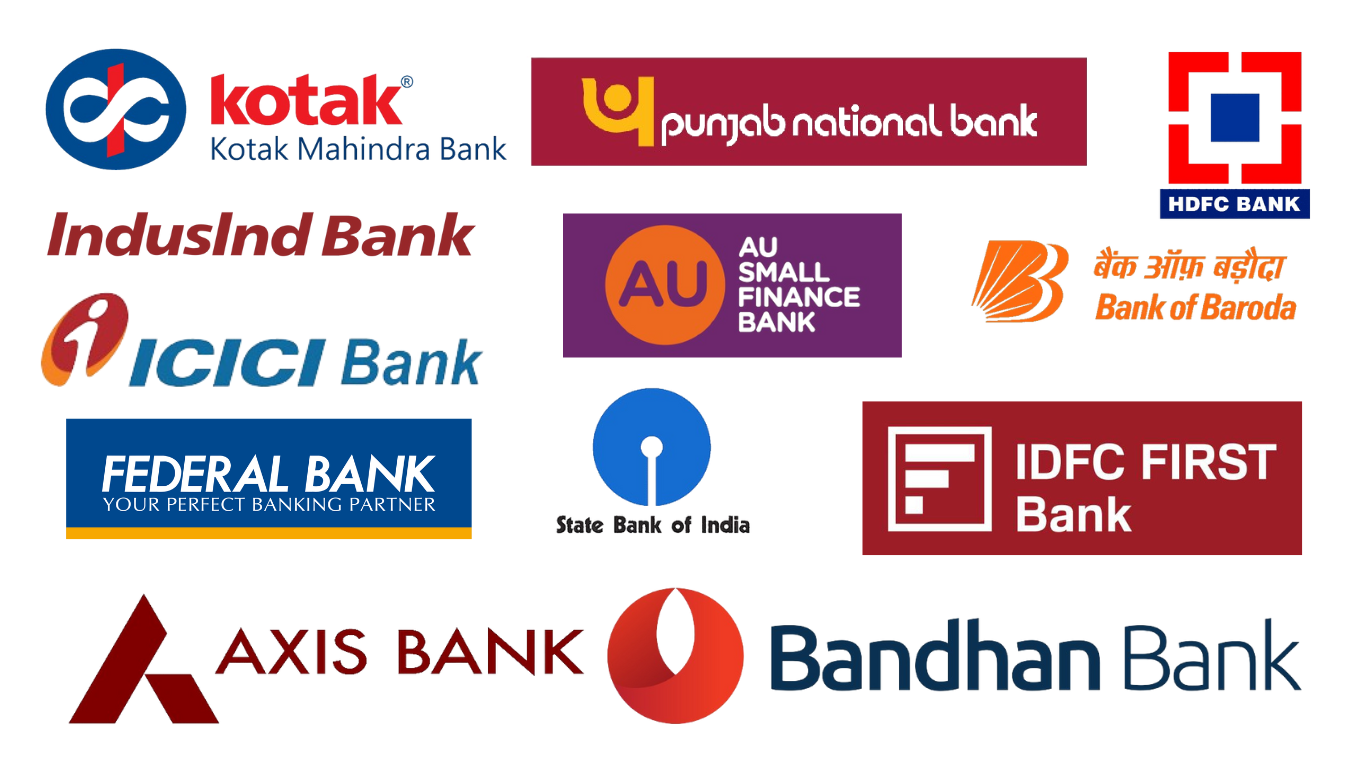
These weightages are subject to change based on various factors such as market capitalization, stock price movements, and corporate actions. Therefore, staying informed about the evolving composition of Bank Nifty is crucial for market participants seeking to understand and interpret its movements effectively. Please click here to check the updates.
Conclusion
In conclusion, Bank Nifty, or Nifty Bank, isn’t just a mere index; it’s a window into the heart of India’s banking sector. As we’ve explored throughout this article, Bank Nifty plays multifaceted roles, serving as a benchmark, a trading instrument, a gauge of market sentiment, and a reflection of the broader economic landscape.
For young professionals to middle-aged individuals aged 24 to 60, intrigued by the world of intraday trading and investment, understanding Bank Nifty opens doors to a realm of opportunities. Whether you’re a seasoned investor crafting sophisticated strategies or a novice trader exploring the intricacies of the financial markets, Bank Nifty offers insights and avenues for growth.
From benchmarking investment portfolios to trading derivatives, from deciphering market sentiment to analyzing the weightage of individual stocks, Bank Nifty encompasses a vast spectrum of possibilities. It empowers market participants to make informed decisions, seize opportunities, and navigate challenges with confidence and resilience.
As we journey through the ever-evolving landscape of the financial markets, let’s embrace the power of knowledge and adaptability. Let’s leverage the insights gained from understanding Bank Nifty to chart our path toward financial prosperity and success.
So, whether you’re a young professional embarking on your investment journey or a seasoned trader navigating market complexities, remember: Bank Nifty isn’t just an index; it’s a gateway to a world of opportunities, waiting to be explored and harnessed for your financial growth and well-being. Happy trading, and may the winds of fortune be ever in your favor.
FAQs (Frequently Asked Questions)
- What is Bank Nifty?
- Bank Nifty, also known as Nifty Bank, is a stock market index representing the performance of the banking sector in India. It comprises the 12 largest and most liquid banking stocks listed on the National Stock Exchange (NSE), offering insights into the overall health and sentiment of the Indian banking industry.
- How is Bank Nifty different from Nifty 50?
- While Nifty 50 includes companies from various sectors, Bank Nifty focuses solely on the banking sector. It consists of banking stocks traded on the NSE, providing a specialized benchmark for assessing the performance of the banking industry in India.
- How is Bank Nifty used for trading and investment?
- Bank Nifty serves as a benchmark for measuring the performance of investment portfolios focused on the banking sector. It is also actively traded through derivatives like futures and options contracts, offering opportunities for speculation and hedging. Additionally, investors can invest directly in Bank Nifty through index funds or ETFs.
- What factors influence the movement of Bank Nifty?
- The movement of Bank Nifty is influenced by various factors, including economic indicators, regulatory policies, corporate earnings, and global market trends. News and events affecting the banking sector, such as changes in interest rates, loan growth, and asset quality, also impact the index’s trajectory.
- How often does the composition of Bank Nifty change?
- The composition of Bank Nifty can change periodically based on factors such as market capitalization, stock price movements, and corporate actions. The index undergoes periodic reviews and rebalancing to ensure that it accurately reflects the performance of the banking sector.
- What are the advantages of tracking Bank Nifty?
- Tracking Bank Nifty offers several advantages, including gaining insights into the performance of the banking industry, benchmarking investment portfolios, accessing trading opportunities through derivatives, and staying informed about market sentiment and trends within the banking sector. Additionally, investing in Bank Nifty can provide diversification benefits and exposure to the growth potential of leading banking stocks in India.